The #1 Marketing Solution for Finance Professionals


What Can Advisors Say to Clients About War-Driven Market Volatility
March 6, 2026
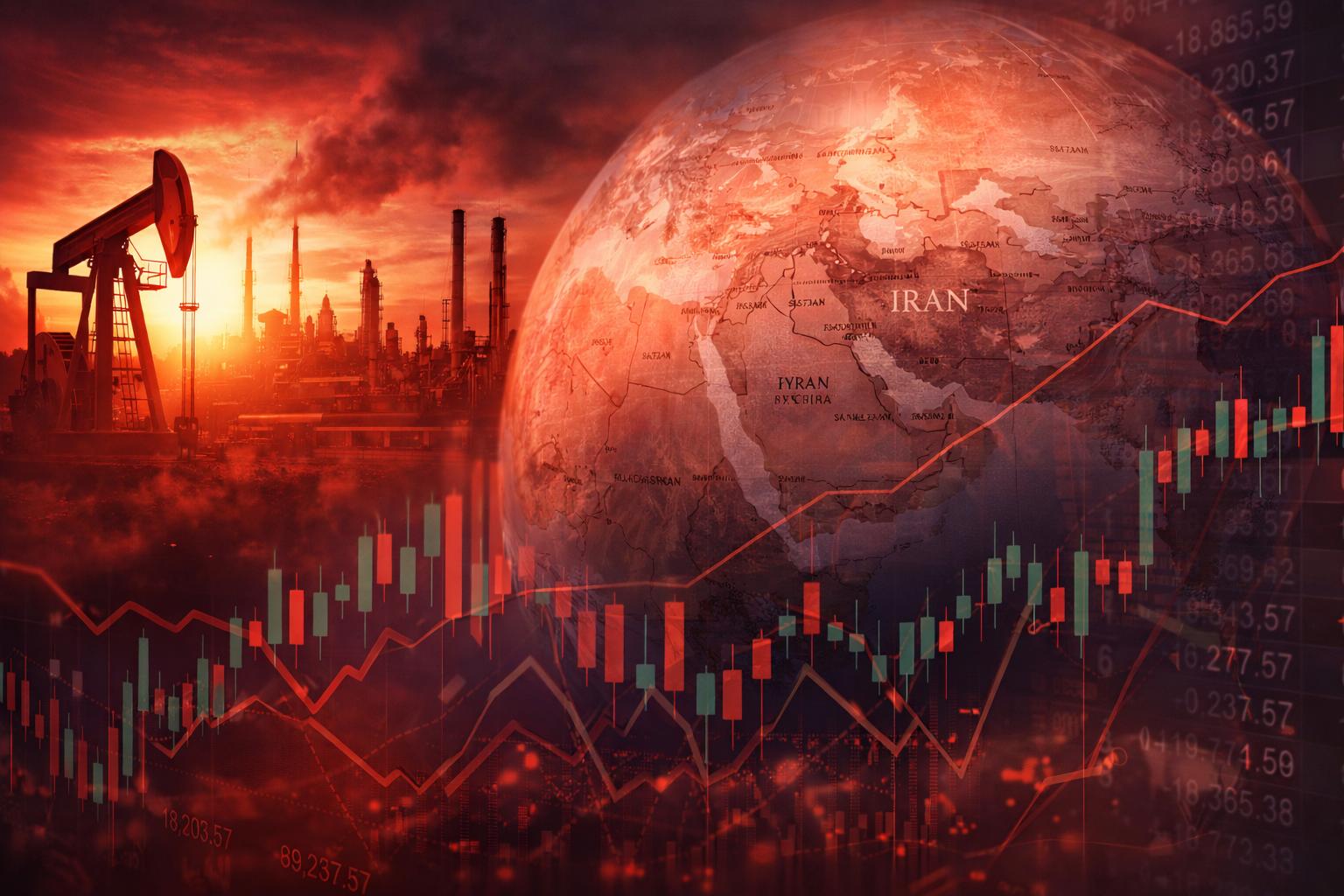
When geopolitical conflicts dominate the headlines, markets rarely move quietly.
The current conflict involving Iran has already triggered a familiar pattern across financial markets: rising oil prices, renewed inflation concerns, and short-term volatility in equities and bonds.
But the most important story right now is not market volatility.
It is how advisors are communicating with clients.
Across the advisory industry, firms report something surprising: most clients are not panicking. Instead, many are looking to their advisors for perspective and reassurance during an uncertain news cycle.
This moment highlights one of the most important roles an advisor plays during periods of geopolitical stress.
Not prediction.
Perspective.
Why Geopolitical Events Create Market Volatility
Conflicts like the one involving Iran tend to influence markets through a few key channels.
The most immediate one is energy prices.
The Middle East remains central to global oil supply, and fears of disruption can quickly push crude prices higher. Higher energy costs can ripple through the economy by influencing inflation expectations, interest rates, and consumer sentiment.
Investors also tend to shift toward perceived safe-haven assets during uncertain periods. Gold, the U.S. dollar, and certain government bonds often see increased demand as markets reassess risk.
Despite these reactions, history suggests that geopolitical shocks typically create short-term volatility rather than long-term market damage.
Markets tend to price uncertainty quickly, and once clarity emerges, attention usually returns to economic fundamentals such as earnings, growth, and monetary policy.
What Effective Advisors Are Doing Right Now
The best advisors are not trying to forecast the outcome of a military conflict.
Instead, they are focusing on communication.
Industry leaders say their advisors are proactively reaching out to clients, providing context about the situation, and reinforcing long-term investment discipline.
Three communication strategies appear repeatedly across firms.
1. Provide Historical Perspective
Geopolitical crises have occurred repeatedly over the last century.
From wars in the Middle East to the invasion of Ukraine, markets have consistently experienced volatility during these events. But over time, long-term market returns have remained tied primarily to economic growth and corporate earnings rather than geopolitical headlines.
Helping clients understand this historical pattern reduces emotional decision-making.
2. Explain the Real Economic Transmission Channels
Advisors are focusing on the variables that actually affect portfolios.
Right now, the most important variable is energy.
If oil supply disruptions remain limited, the current price spike may prove temporary. If shipping routes such as the Strait of Hormuz are affected, energy prices could remain elevated longer.
Explaining how these dynamics affect inflation, central bank policy, and asset prices helps clients understand the situation without reacting emotionally to headlines.
3. Reinforce Long-Term Discipline
Moments like this are when the value of a financial plan becomes most visible.
Well-constructed portfolios are designed to withstand periods of volatility. Diversification, asset allocation, and risk management exist precisely for moments when markets are unsettled.
Advisors who reinforce that framework help clients maintain confidence in their long-term strategy.
The Hidden Opportunity for Advisors
While geopolitical crises are unsettling, they also present an opportunity for advisors to demonstrate their value.
During calm markets, financial advice can feel abstract.
During volatile markets, it becomes tangible.
Clients remember who helped them remain disciplined when headlines were loud and uncertainty was high.
Advisors who communicate clearly during moments like this often strengthen client relationships and reinforce trust.
The Advisor’s Real Role in Times of Crisis
Markets will always react to uncertainty.
Headlines will always move faster than fundamentals.
But the advisor’s role during geopolitical events has never been to predict the news cycle.
It is to help clients interpret it.
Perspective, communication, and disciplined strategy are what transform volatility into a moment of leadership.
And in times like these, leadership is exactly what clients are looking for.
Are you a financial professional looking to level up your digital marketing strategy?
Financial Advisors Must Bet on the Team. Not the Product.
By William Lee, former CME/CBOT rate futures trader and founder of Great …
The Great Deflation of Intelligence: AI Costs Are Collapsing at Historic Speed
First Published: MIXED MARKET ARTIST Throughout modern economic history, periods of transformational growth …
Share :